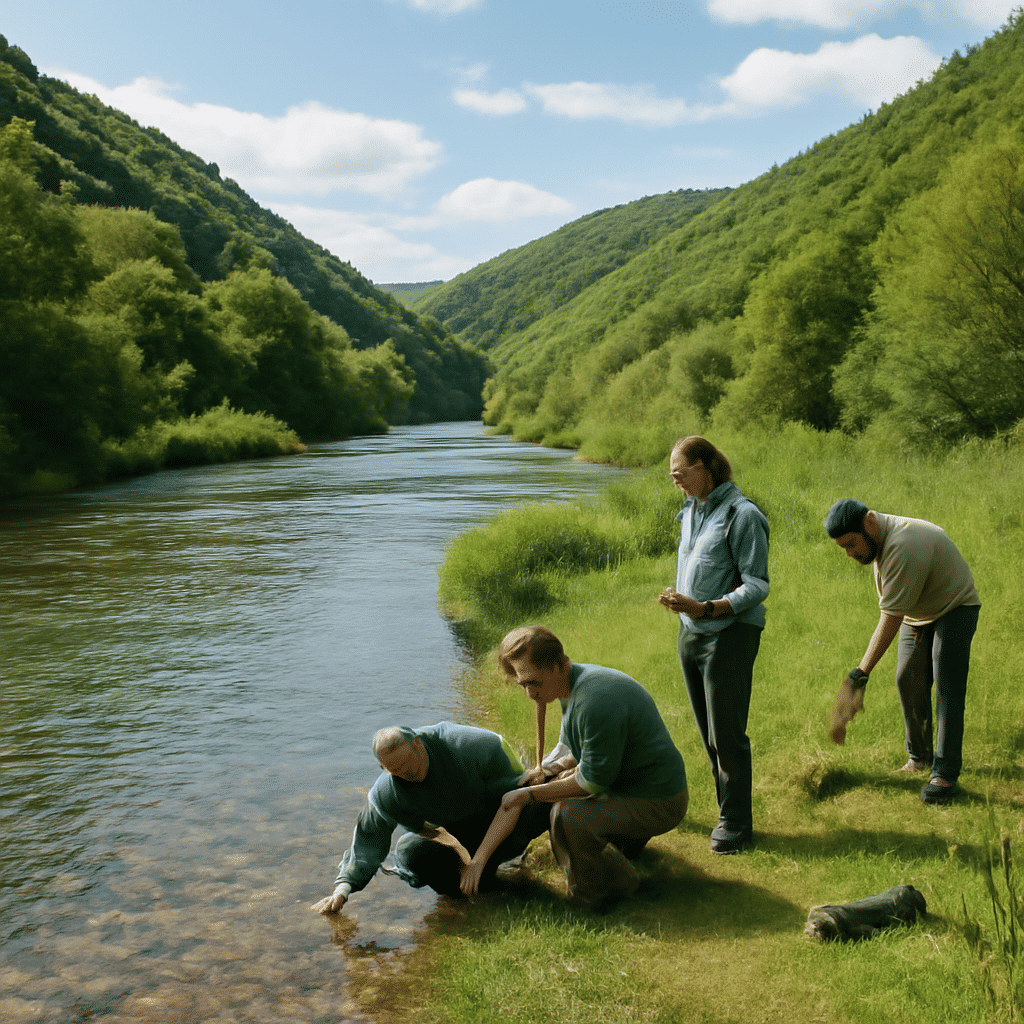
Access to clean water is a fundamental human right and an essential component of health and well-being. However, millions of people worldwide continue to face challenges in obtaining this vital resource. To address this critical issue, a variety of clean water initiatives have emerged, focusing on sustainable practices and the protection of river ecosystems.
These initiatives prioritize the development of water infrastructure that minimizes environmental impact while maximizing efficiency and accessibility. One common approach is the implementation of rainwater harvesting systems, which collect and store rainwater for later use. This method not only reduces dependency on existing freshwater resources but also helps in managing stormwater runoff, thereby preventing erosion and minimizing water pollution.
Another key focus is the treatment and safe disposal of wastewater. By adopting technologies such as constructed wetlands and bioreactor systems, clean water initiatives are able to treat wastewater using natural processes that remove contaminants. These solutions are cost-effective, energy-efficient, and scalable, making them suitable for both urban and rural settings.
Education and community engagement are also crucial components of clean water initiatives. Programs that raise awareness about water conservation and promote sustainable water management practices help empower communities to take charge of their water resources. Training local leaders and community members in techniques such as water quality testing and maintenance of water systems ensures the sustainability and longevity of these efforts.
Protecting river ecosystems plays a pivotal role in safeguarding clean water supplies. Strategies such as riparian buffer zones, which involve planting vegetation along riverbanks, help filter pollutants, stabilize banks, and create habitats for wildlife. Reforestation projects also contribute to the health of river ecosystems by maintaining the natural water cycle and preventing soil erosion.
Collaborative efforts between governments, non-governmental organizations, and local communities are essential to the success of these initiatives. Policy frameworks that support sustainable water management, combined with financial incentives and technical support, foster an environment where clean water projects can thrive.
In conclusion, ensuring access to clean water through sustainable practices and river ecosystem protection is a multifaceted endeavor. By leveraging innovative technologies, fostering community involvement, and preserving natural ecosystems, clean water initiatives contribute significantly to the health and resilience of communities worldwide. The road ahead requires continued commitment and collaboration, but the potential benefits for generations to come make the effort undeniably worthwhile.